
 By
By 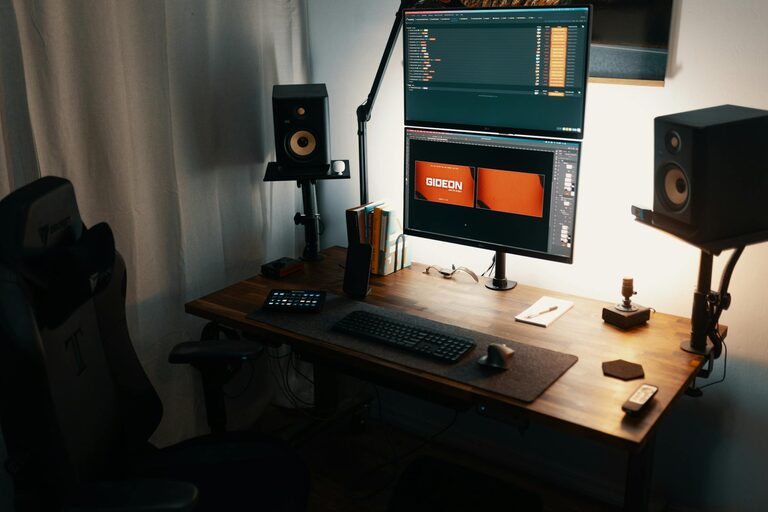
Creating a cozy and inviting workspace at home is more important than ever. Whether you work remotely full-time, freelance, or simply need a dedicated spot for managing personal tasks, your workspace can significantly influence your mood and productivity. A comfortable, well-organized area encourages focus and creativity while helping you maintain a healthy work-life balance.
In this post, we’ll explore practical tips to design a home workspace that feels warm and welcoming, yet functional enough to meet your daily needs.
Choose the Right Location
Consider Natural Light
Selecting a spot with plenty of natural light can enhance your mood and reduce eye strain. If possible, set up your workspace near a window. Natural light helps regulate your body’s rhythms and makes the room feel more open and inviting.
Minimize Noise and Distractions
Pick a quiet area away from household activities or traffic noise. If space is limited, consider noise-canceling headphones or a white noise machine to create a more peaceful environment.
Invest in Comfortable Furniture
Ergonomic Chair
A good chair supports your posture and can prevent discomfort during long work sessions. Look for adjustable height, lumbar support, and cushioning that work for your body type.
Functional Desk
Choose a desk with enough surface area for your computer, notebooks, and other essentials. If space is tight, wall-mounted desks or foldable tables can be great alternatives.
Personalize Your Space
Adding personal touches makes your workspace feel uniquely yours, which can boost motivation.
– Add plants: Greenery brings life to your workspace and improves air quality.
– Decorate with art or photos: Choose images that inspire or calm you.
– Use cozy textiles: A soft throw blanket or cushion can make your chair more comfortable and inviting.
Organize Efficiently
A cluttered workspace can hinder productivity. Use organizers and storage solutions to keep your space tidy.
– Desk organizers: Keep pens, paper, and tools within reach.
– Shelving: Vertical storage helps save floor space and keeps items accessible.
– Cable management: Use clips or sleeves to prevent tangled cords.
Optimize Lighting
Besides natural light, good artificial lighting is essential, especially during dark winter months or if your workspace lacks windows.
– Task lighting: A desk lamp with adjustable brightness helps reduce eye strain.
– Ambient lighting: Soft overhead lights create a warm atmosphere without harsh shadows.
Maintain Proper Temperature and Ventilation
A workspace that’s too hot or cold can be distracting. Ensure your room has proper ventilation and consider a small fan or heater to adjust temperatures as needed.
Set Boundaries and Keep It Separate
If possible, choose a space that’s separate from leisure areas. This helps your brain associate the workspace with focus and productivity. Use room dividers or curtains if you’re sharing an open space.
Add Inspirational Elements
Surround yourself with items that encourage creativity and motivation.
– Inspirational quotes: Frame or display phrases that resonate with you.
– Vision board: Pin images or goals related to projects you’re working on.
– Color choices: Incorporate colors that energize or calm you, such as soft blues or warm yellows.
Prioritize Cable and Device Management
Tech clutter can be a stress factor. Use labels, cable organizers, or wireless devices where possible to keep your area neat.
Incorporate Break-Friendly Features
To encourage healthy work habits, design your workspace to include easy access to a water bottle, snacks, or a comfortable spot for short breaks. This can help maintain energy and focus throughout the day.
—
By following these tips, you can craft a home workspace that feels cozy, inviting, and conducive to productivity. Remember, the best workspace is one that fits your lifestyle and needs, making every workday a little more enjoyable.