
 By
By 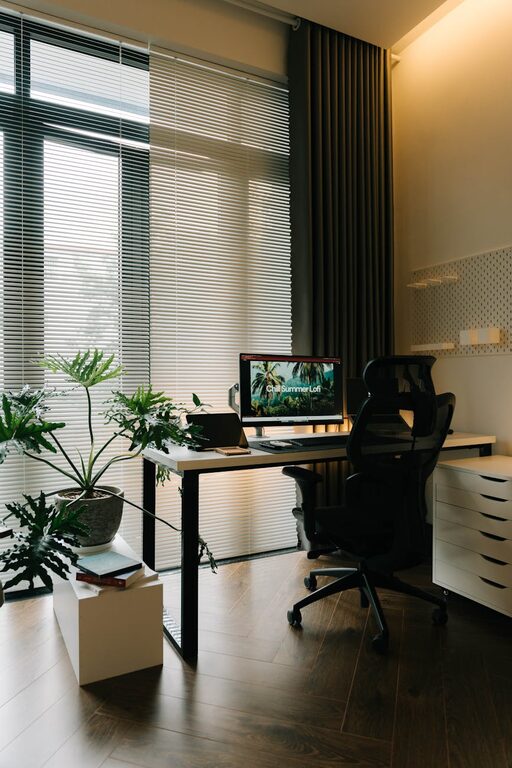
Creating a relaxing home workspace is essential for staying productive and maintaining a positive mindset throughout your workday. Whether you work remotely full-time or occasionally handle tasks from home, having a dedicated area designed for comfort and focus can make a significant difference in your efficiency and well-being. In this post, we’ll explore practical tips to help you design a workspace that boosts productivity while keeping stress levels low.
Why a Relaxing Workspace Matters
Before diving into tips, it’s important to understand why a calming environment supports productivity. A cluttered or uncomfortable workspace can distract you, reduce your motivation, and increase feelings of stress. On the other hand, a space that feels peaceful encourages concentration, creativity, and energy—key ingredients for accomplishing tasks effectively.
Choose the Right Location
Selecting the best spot in your home for your workspace is the foundation of a relaxing setup.
– Natural Light: Place your desk near a window if possible. Natural light improves mood and helps regulate your body clock.
– Quiet Area: Find a spot away from high-traffic areas or household noise to minimize interruptions.
– Privacy: Having some level of privacy, even if it’s a corner with a room divider, can help you focus.
Invest in Comfortable Furniture
Comfort plays a big role in how productive you feel during long working hours.
– Ergonomic Chair: Choose a chair that provides adequate lumbar support and allows you to sit comfortably for extended periods.
– Adjustable Desk: Consider a desk that you can adjust in height, or even a standing desk, to vary your posture throughout the day.
– Proper Desk Size: Your desk should accommodate your computer, necessary tools, and provide some free space so you don’t feel cramped.
Keep the Space Organized
An uncluttered workspace minimizes distractions and helps your mind stay clear.
– Use Storage Solutions: Shelves, drawers, and filing systems keep documents and supplies neatly stored.
– Declutter Regularly: Spend a few minutes daily or weekly tidying your desk to prevent buildup.
– Limit Personal Items: While some personal touches add warmth, too many can clutter your space and divert your focus.
Personalize with Calming Elements
Adding elements that promote relaxation can enhance your productivity.
– Plants: Indoor plants improve air quality and add a touch of nature to your desk.
– Soft Textures: Incorporate cushions, rugs, or curtains that soften the room’s feel.
– Soothing Colors: Paint or decorate your space with muted tones like light blues, greens, or neutrals that help reduce stress.
Manage Lighting and Screen Glare
Proper lighting reduces eye strain and fatigue.
– Layered Lighting: Combine natural light with task lighting like desk lamps to brighten your workspace evenly.
– Adjust Screen Brightness: Match your screen brightness to the surrounding light to avoid eye discomfort.
– Anti-Glare Screens: Use screen protectors or position your monitor to avoid direct light hitting the screen.
Incorporate Noise Management
Sound can either be a distraction or a productivity booster depending on how it is managed.
– Noise-Canceling Headphones: These can help you focus, especially if you cannot control ambient noise.
– Background Music: Soft, instrumental music or white noise can improve concentration for some people.
– Soundproofing: Adding rugs or curtains can dampen sound reflections and reduce noise levels.
Set Boundaries and Breaks
A relaxing workspace is not just about the physical space but also your habits.
– Clear Work Hours: Define when your workday starts and ends to create a routine.
– Take Regular Breaks: Step away from your workspace periodically to rest your eyes and recharge.
– Use Timers or Apps: Tools like the Pomodoro Technique encourage focused work followed by short breaks.
Keep Technology in Check
Technology is essential but can also add to stress if unmanaged.
– Cable Management: Use clips or sleeves to keep cords organized and out of sight.
– Limit Notifications: Turn off non-essential notifications to minimize interruptions.
– Maintain Equipment: Regularly update and clean your devices to ensure smooth operation.
Final Thoughts
A relaxing home workspace is a key factor in improving productivity and work satisfaction. By thoughtfully arranging your environment, embracing comfort, and fostering good work habits, you can create a space where you enjoy spending your time and perform your best. Remember, the goal is to design a space that feels both functional and peaceful—a place that supports your work and wellbeing equally.
—
Creating your ideal workspace takes time and experimentation, so feel free to adjust elements until it feels just right for you. Small changes can lead to big improvements in focus and comfort. Start today and see the difference a relaxing workspace can make in your productivity!